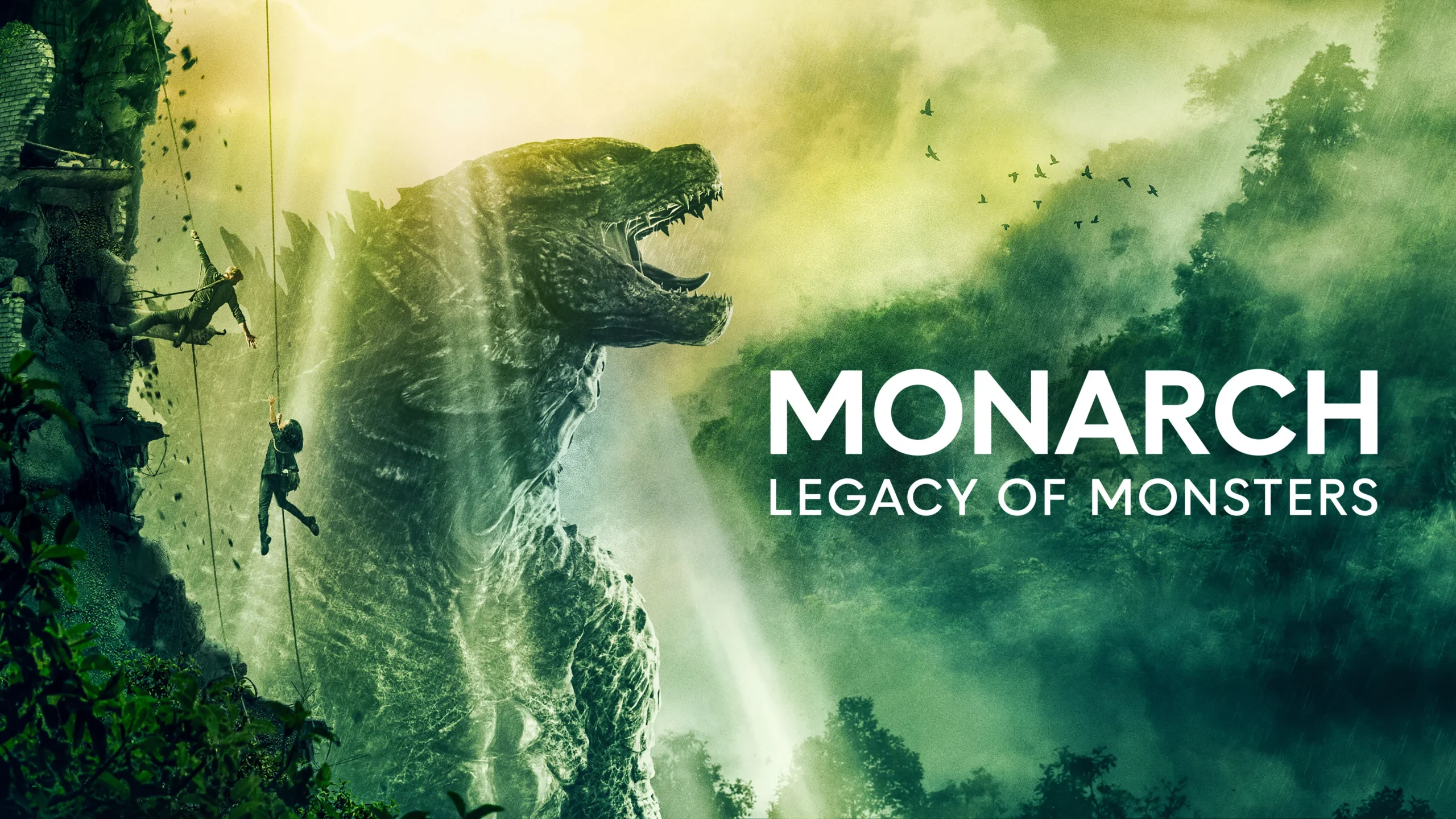
Season 1 of Monarch: Legacy of Monsters lands somewhere between ambitious world-building and uneven storytelling. Instead of focusing purely on titan spectacle, it leans heavily into the human side of the Monsterverse sometimes to its benefit, sometimes to its detriment. The dual-timeline structure adds intrigue, especially as it explores the early days of Monarch alongside a modern-day mystery, but the pacing can feel sluggish, with certain character arcs dragging longer than they need to.
Where the show really works is in its performances. Kurt Russell and Wyatt Russell—playing older and younger versions of Lee Shaw—bring a grounded, emotional core that helps sell the stakes of a world constantly overshadowed by massive, unknowable creatures. Their presence ties the series nicely into the broader Monsterverse that includes films like Godzilla and Kong: Skull Island. Still, while the human drama aims for depth, not all characters feel equally compelling, and some storylines feel like they exist mainly to delay the next titan reveal.
Season 2 – Synopsis & Review (Spoilers Included)
Season 2 (as it unfolds in the Monsterverse timeline) shifts gears by embracing more of what fans expect: bigger stakes, deeper titan mythology, and stronger connections to the cinematic events leading up to Godzilla vs. Kong.
Picking up after the revelations of Season 1, the story dives further into Monarch’s hidden history and its morally gray operations. The fallout from uncovering portals to the Hollow Earth becomes the central thread, tying directly into the subterranean world first explored in Godzilla vs. Kong. This time, the narrative doesn’t just tease the existence of these realms it actively explores them, bringing in new creatures and expanding the ecosystem that explains how titans like Godzilla and King Kong coexist.
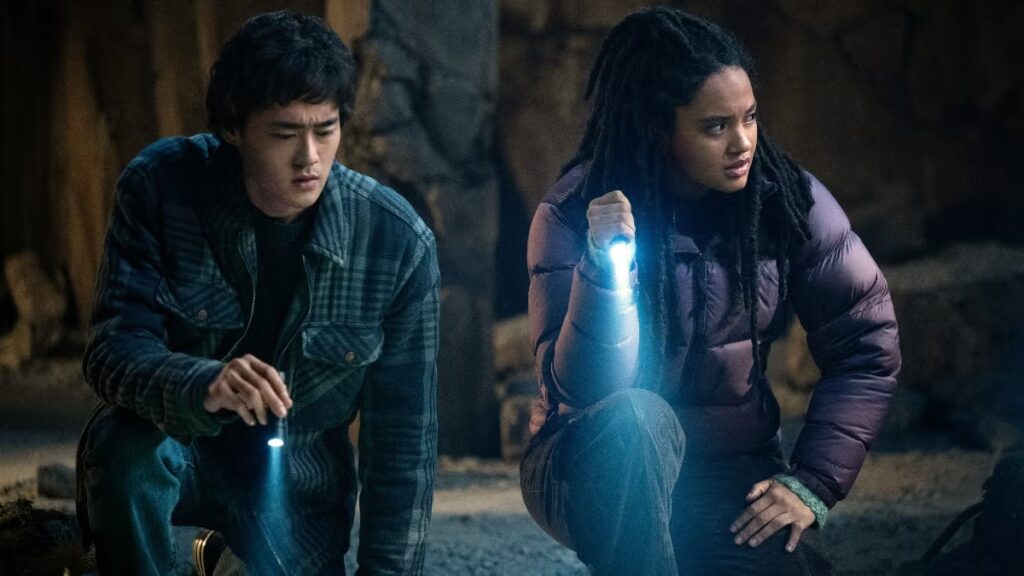
The season leans harder into action and spectacle, with more frequent titan encounters and higher stakes tied to global consequences. One of the standout arcs involves Monarch grappling with the ethical implications of controlling or failing to control these creatures, especially as governments begin weaponizing titan knowledge. This directly bridges the gap between Monarch’s secrecy and the more militarized response seen in later films.
Character-wise, Season 2 tightens its focus. The emotional threads introduced in Season 1 start paying off, particularly as surviving characters confront the truth about their families’ involvement in Monarch’s past. There’s less wandering and more urgency, which helps fix one of the biggest criticisms of the first season.
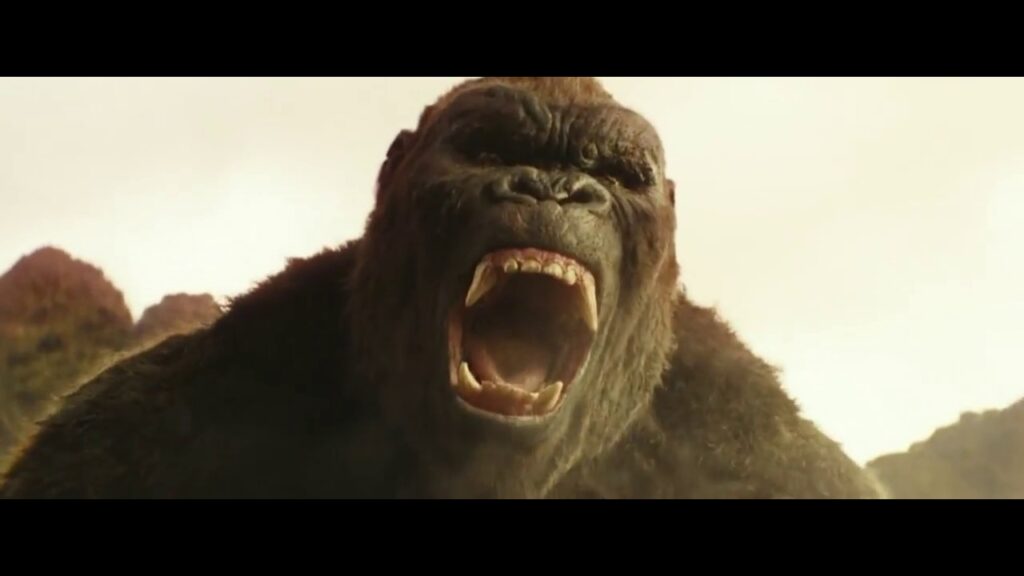
That said, the show still walks a fine line between human drama and monster action. While there’s more titan screen time, some viewers may still feel the series occasionally pulls away from the creatures just as things get exciting. However, when it does deliver especially in sequences involving Hollow Earth exploration or titan clashes it finally captures the scale and awe that define the Monsterverse.
Overall Take
Season 1 feels like a slow-burn setup, rich in lore but uneven in execution. Season 2, by contrast, is where the series starts to fully embrace its identity—connecting the dots between Monarch’s shadowy past and the explosive future of the Monsterverse. Together, they form a bridge between the grounded mystery of Monarch and the full-blown titan conflicts that define the Monsterverse.
If Season 1 asks whether humanity can understand these giants, Season 2 answers with a louder, clearer response: not really and that’s what makes them terrifying.