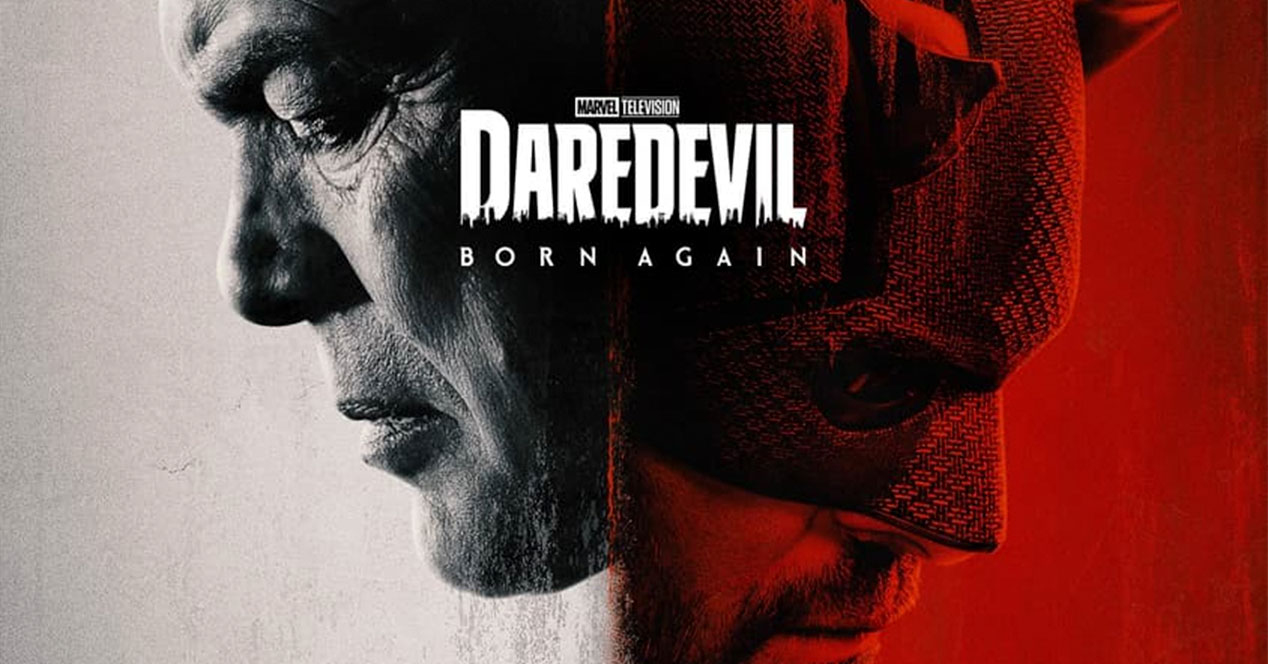
Last season the series got off to a slow start with Daredevil seeming like the supporting character in his own series. This time out it seems like the creative team was listening to the fans, and while Season 2 also gets off to a somewhat lackluster start, by Episode 4 it begins to feel like peak Marvel might be back.
The premiere episode re-establishes tone more than momentum. There’s a noticeable course correction: Matt Murdock is once again the emotional and narrative anchor, rather than orbiting around side plots. However, Episode 1 leans heavily on setup legal intrigue, political tension, and lingering fallout from last season without delivering a compelling hook. It’s polished, but cautious, almost as if the show is recalibrating its identity in real time.

Episode 2 improves slightly by tightening focus. The internal conflict between Matt’s moral code and the city’s increasing hostility toward vigilantes starts to feel more urgent. Still, the pacing remains uneven. Scenes that should crackle with tension instead simmer too gently, and some supporting characters feel like they’re still waiting for their arcs to ignite. That said, the groundwork being laid here becomes important later.
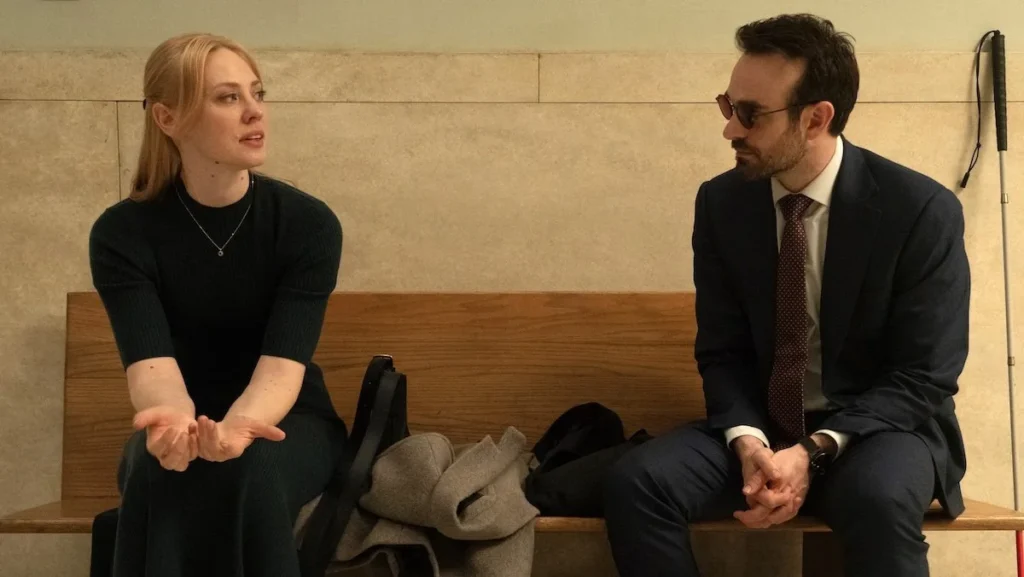
By Episode 3, the series begins to find its rhythm. The re-emergence of Wilson Fisk as a looming force injects the story with much-needed gravity. The dynamic between Fisk and Matt is still one of the MCU’s most compelling rivalries, and the writing finally leans into that psychological chess match. There’s also a noticeable improvement in action choreography more grounded, less stylized, and closer in spirit to the original Daredevil tone fans loved.
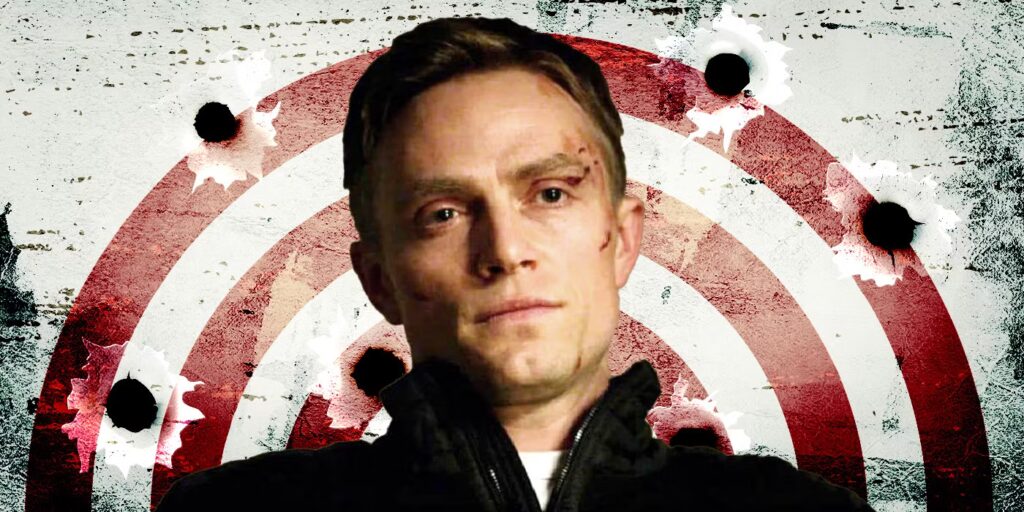
Episode 4 is where things click. The storytelling sharpens, character motivations align, and the stakes feel real. This is the first episode that balances all the show’s elements—legal drama, street-level crime, and superhero action without one undermining the others. The writing trusts Matt to carry the narrative, and as a result, the emotional weight lands harder. It’s also where the show visually and tonally feels most confident, embracing darker themes without losing clarity. Comic book fans and fans of the series from Seasons 2 and 3 get to see a fan favorite villain finally get his time to shine. All I am going to say is……Bullseye is finally back, he steals the show, and we are here for it.
One of the biggest improvements this season is how it handles Daredevil himself. He’s no longer reactive he’s driving the story. That shift alone elevates the material. There’s a stronger sense of purpose, and the moral dilemmas feel less like genre obligations and more like genuine character struggles that I was also impressed with how they handled Matt/Daredevil’s struggle with darkness and the law. Matt has always been comfortable with violence that hasn’t changed. However, here there’s something different. He seems to be wrestling with the realization that the line between justice and brutality isn’t as clean as he once believed that the courtroom and the alleyway may be separated by method, but not always by morality. The real question becomes: how far into that darkness can he go without losing himself, and can he still remain both lawful and just while standing so close to the edge?
That said, the early episodes still suffer from a few lingering issues. Dialogue occasionally leans into exposition, and some subplot threads feel undercooked or overly familiar within the broader Marvel formula. The show is clearly trying to balance its grounded roots with MCU connectivity, and that tension isn’t always seamless.
Overall, Episodes 1–4 suggest a season that starts cautiously but builds toward something much more compelling. If Episode 4 is any indication, the series may have finally rediscovered what made it resonate in the first place: a character-driven story with real stakes, anchored by a hero who feels human even in a world of larger-than-life conflicts.
Check out the trailer for S2 of Daredevil Born Again here.