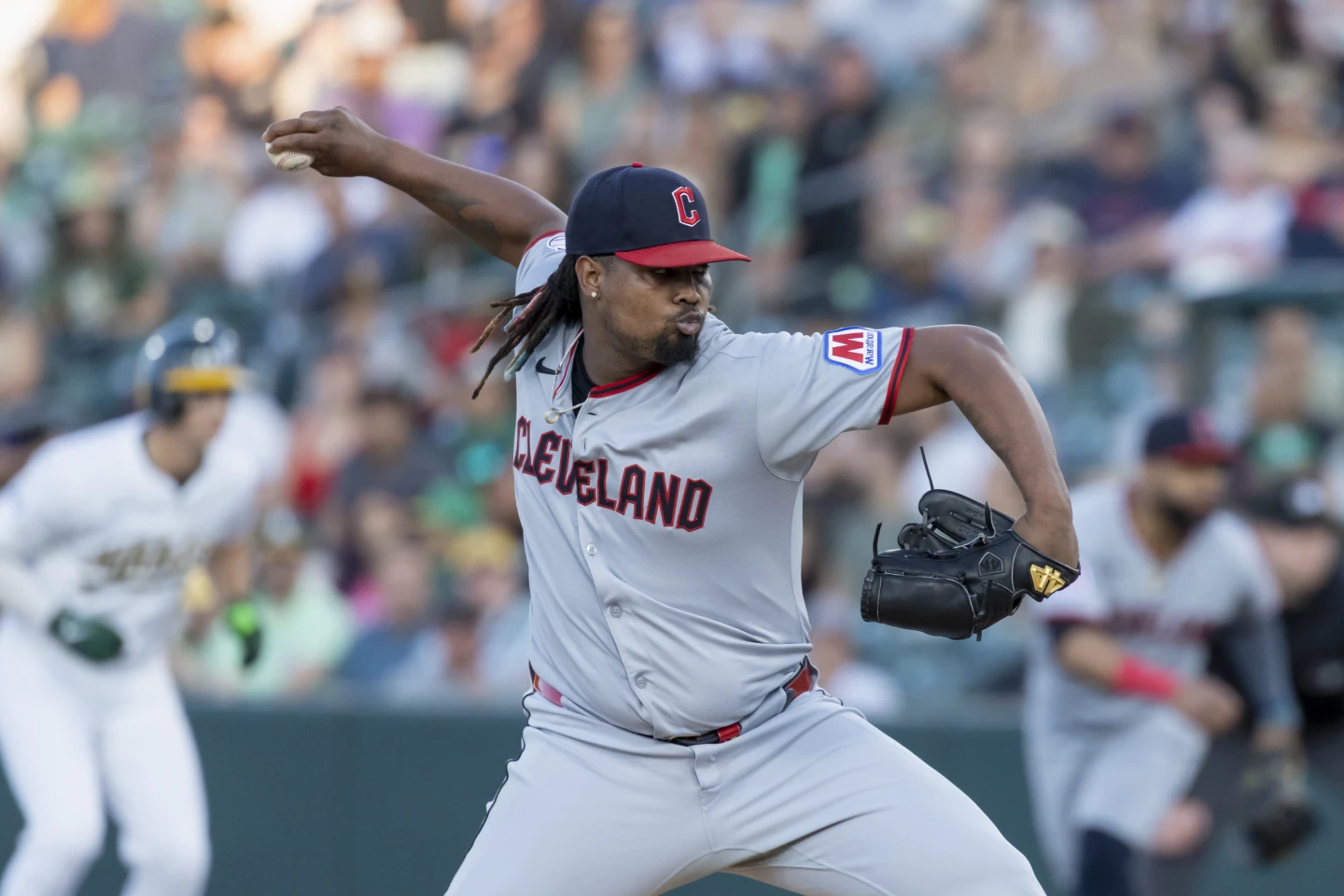
Major League Baseball is facing one of its most delicate tests in decades as the gambling investigation into Cleveland Guardians pitchers Emmanuel Clase and Luis Ortiz continues to unfold. While both players remain on no disciplinary paid leave, the stakes go far beyond Cleveland’s bullpen this case could reshape how the league handles sports betting, integrity monitoring, and its public image.
At its core, the inquiry raises questions about the fragile balance between baseball’s deep ties to legalized sports betting and the league’s long-standing zero-tolerance stance on player involvement in gambling. Since the repeal of PASPA in 2018, MLB has partnered with multiple sportsbooks, reaping millions from sponsorships, advertisements, and fan engagement. But now, the very activity MLB profits from has allegedly reached into the clubhouse. If investigators determine that players intentionally manipulated outcomes—even small “micro-events” like a first pitch MLB will be forced to confront the risks of the betting ecosystem it has embraced.
The potential consequences are wide-ranging. For players, sanctions could be severe, even career-ending, echoing the lifetime bans handed down in past scandals such as Pete Rose in the 1980s or the Black Sox of 1919. For teams, suspensions or terminations could alter roster dynamics and create new demands for oversight. For MLB itself, the crisis could lead to stricter monitoring technology, tighter rules on what wagers sportsbooks can offer, and even state-level reforms Ohio regulators have already floated banning first-pitch bets.
Beyond logistics, there’s the issue of trust. Baseball markets itself as a tradition-rich game of integrity, where every pitch matters. Any erosion of confidence in the legitimacy of on-field competition could alienate fans, especially as younger audiences engage with baseball primarily through betting apps and live odds. The lesson of the 1919 scandal still hangs over the sport: when fans believe outcomes are manipulated, the game’s foundation cracks.
In many ways, the Clase Ortiz investigation is a stress test for modern MLB. If handled firmly and transparently, it could reinforce the league’s commitment to competitive integrity while guiding sensible reforms around gambling. But if the investigation drags on or ends without clarity, it risks becoming a cloud over baseball’s credibility during a time when the sport can least afford it.
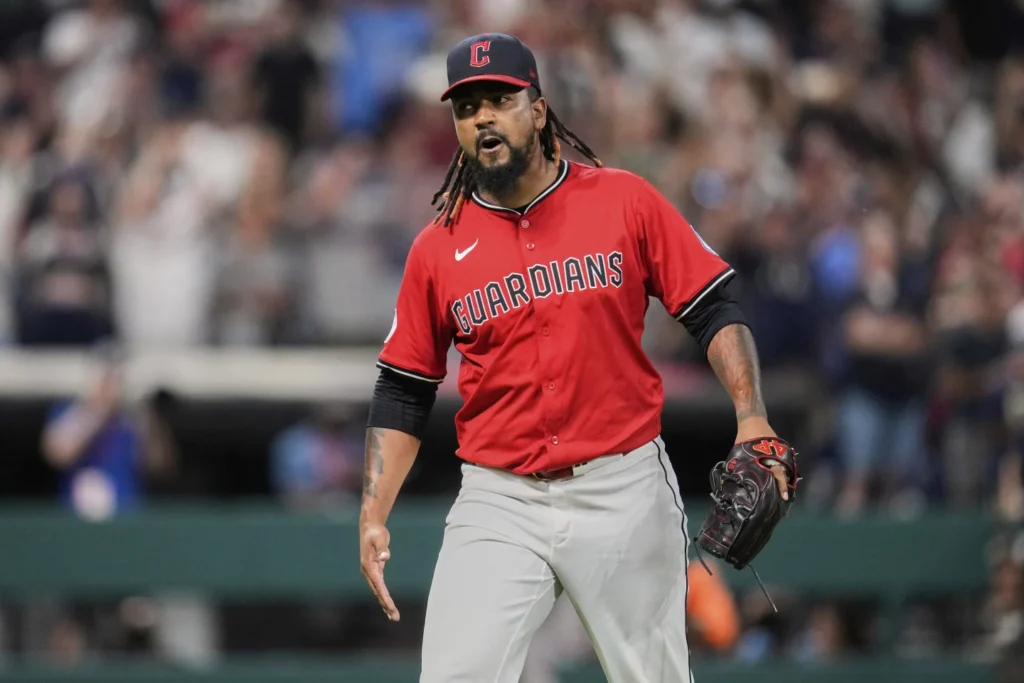
While the Guardians remain tight-lipped on the matter, their ongoing cooperation with the investigation underscores the seriousness of the situation. With just under a month remaining in the regular season set to end September 28 this extended leave makes it increasingly likely neither player will return before season’s close. Some fans and analysts have observed that the team has cleared out their lockers, further fueling speculation about their return.
Meanwhile, the controversy has broader implications. The Ohio Casino Control Commission is now considering a ban on so-called “microbets,” small-scale wagers on individual outcomes like a first pitchamid concerns that such narrow wagering options pose integrity risks to professional baseball. Governor Mike DeWine has urged regulators to take decisive steps to mitigate these vulnerabilities.
This investigation places Clase at the center of one of the most high-profile sports betting inquiries in recent MLB history. With potential sanctions that could reach lifetime bans, the stakes are significant for both the players and the Guardians organization