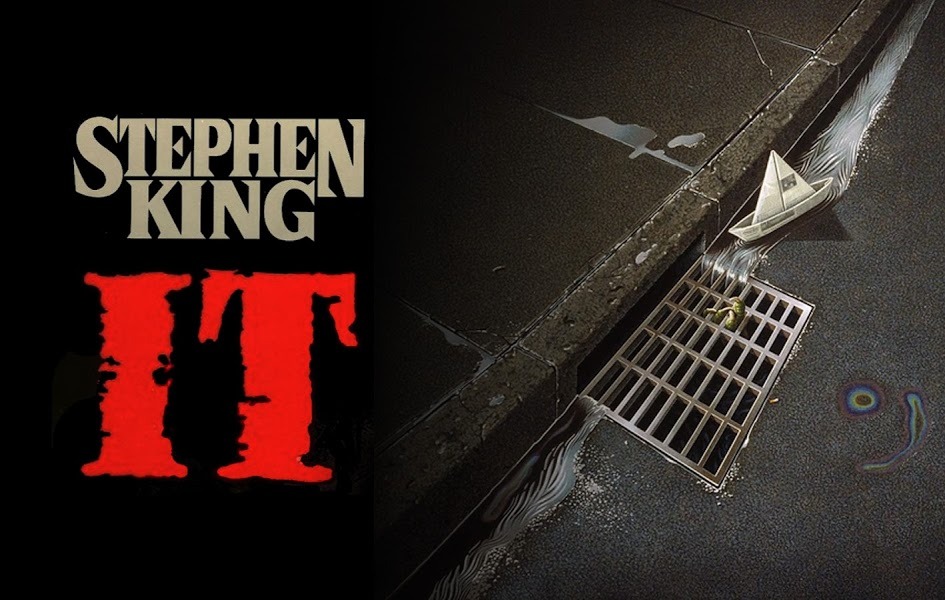
Modern horror often misses the key ingredient that made these classics so effective: they were, at their core, about something more than just scares. Whether it was exploring the nature of fear itself (Hellraiser), the loss of childhood innocence (It), or the clash between suburban life and monstrous evil (Fright Night, The Lost Boys), these films had layers. Modern horror tends to focus too much on gore, over-reliance on CGI, and a fixation on shock value, often at the expense of meaningful emotional or psychological engagement.
Classic horror worked with limited resources, often making do with practical effects and relying on atmosphere, character, and pacing. Today, while technology has advanced, it often leads to films that are more spectacle than substance. Horror in the modern sense may get a few visceral reactions, but it rarely lingers in the mind the way these cult classics do.
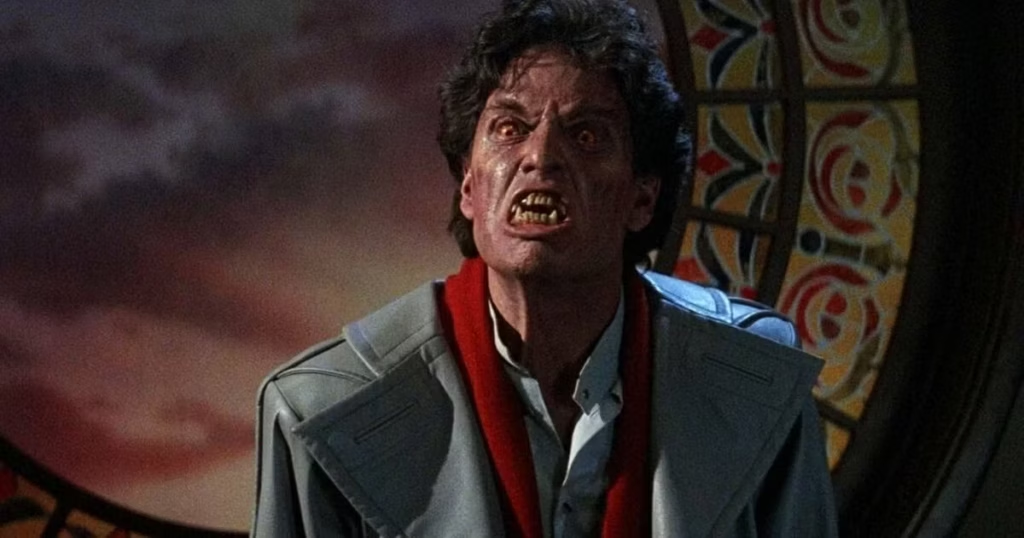
1. Fright Night (1985)
Fright Night is a horror-comedy that perfectly balances camp, genuine scares, and a sense of fun. Directed by Tom Holland, it follows a teen, Charlie Brewster, who discovers his neighbor is a vampire. It’s a film that blends ‘80s teen angst with classic horror tropes and a new wave of vampire lore. What makes Fright Night a classic is its blend of humor, dread, and its knowing nods to other horror films. The character of Peter Vincent, a washed-up TV horror host, becomes a loving homage to iconic horror figures, and the practical effectsmespecially in the final vampire transformation scene still hold up.
In today’s landscape, modern horror often relies heavily on jump scares, CGI, and overly serious tones. Fright Night thrives on its quirky charm, character-driven story, and practical effects, making it a rarity in an age where horror often loses heart in favor of spectacle.
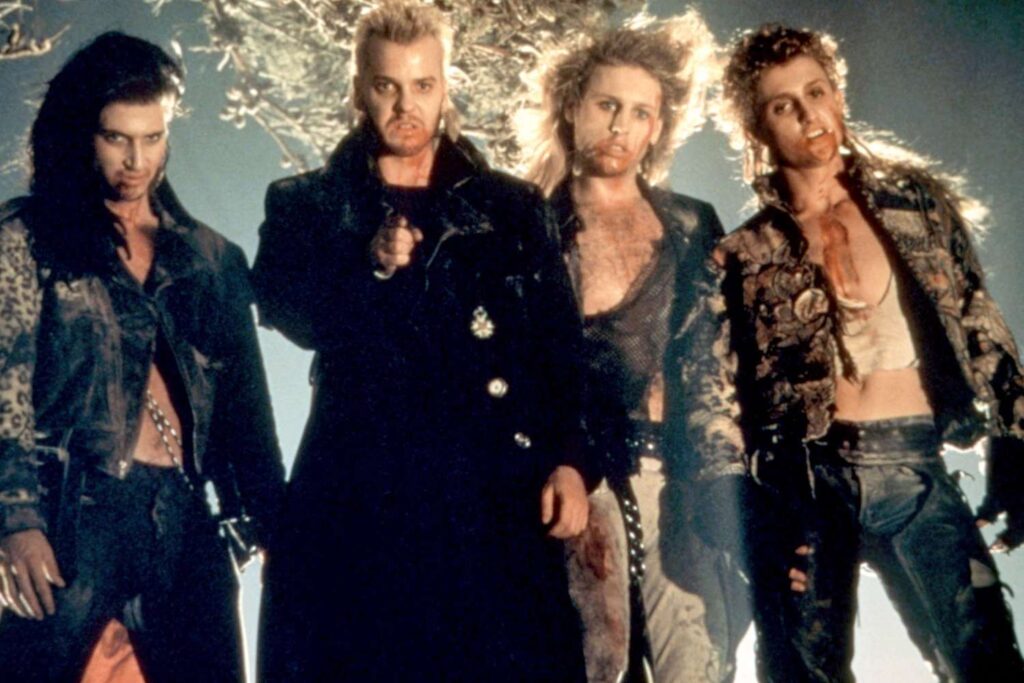
2. The Lost Boys (1987)
Joel Schumacher’s The Lost Boys became the quintessential vampire film of the late ‘80s, merging rock ‘n’ roll coolness with the supernatural. This film is filled with iconic images: the leather-clad, biker vampire gang, the saxophone-wielding beach singer, and the never-forgotten line, “One thing about living in Santa Carla I never could stomach… all the damn vampires.” The blend of style, humor, and a timeless theme of youthful rebellion set against a backdrop of the undead made The Lost Boys feel fresh and innovative.
Unlike many modern vampire films that take themselves too seriously, The Lost Boys embraced its B-movie roots while offering something deeper—its exploration of family, friendship, and the loss of innocence. Its aesthetic remains a marker of cool that today’s horror often struggles to capture, focusing too much on bleak, dystopian visions rather than the fun and thrilling aspects of the genre.
3. Hellraiser (1987)
Clive Barker’s Hellraiser stands out for its unique blend of the grotesque and the philosophical, mixing body horror with a deep dive into the nature of pain and pleasure. Based on Barker’s novella The Hellbound Heart, the film introduced the world to the Cenobites, otherworldly beings led by the iconic Pinhead, who “visit” those who open a mysterious puzzle box. The film’s atmosphere is a disturbing mix of the surreal and the horrifying, pushing boundaries on what horror could be in both content and form.
What makes Hellraiser a classic is its exploration of the human psyche its darkest desires and the consequences of indulging in them. The film’s practical effects (which remain some of the most shocking and visceral in horror history) and its lack of reliance on jump scares made it a standout. In comparison, modern horror often leans on CGI-heavy spectacle and tired tropes, forgetting the psychological terror that Barker mastered.
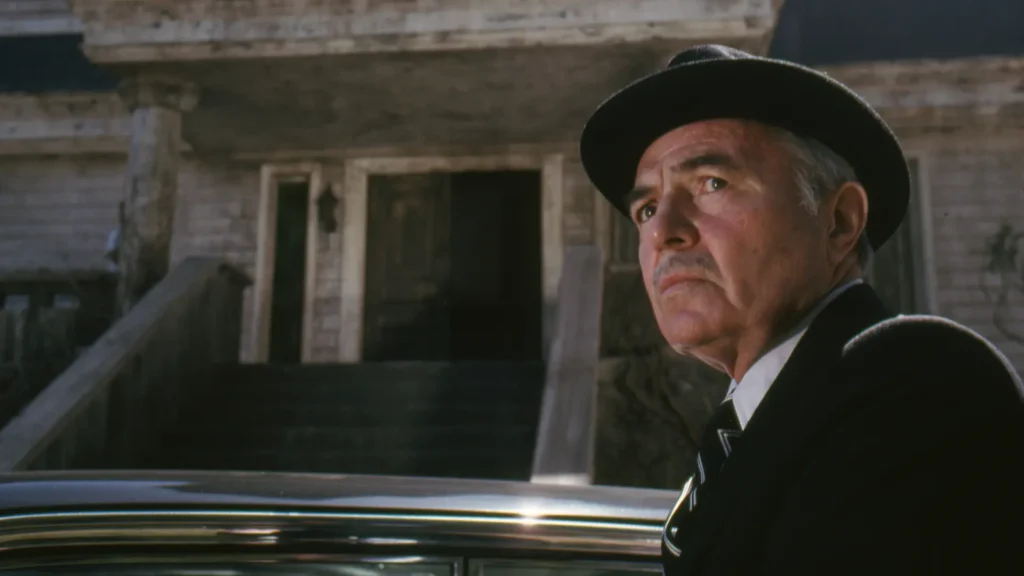
4. Salem’s Lot (1979)
Based on Stephen King’s novel, Salem’s Lot is a slow-burning, atmospheric TV mini-series about a town taken over by vampires. Directed by Tobe Hooper, the film leans heavily into mood and dread, with the haunting image of the vampiric children floating outside windows still an indelible part of horror imagery. The series uses the concept of isolation to emphasize the terror of a once-idyllic town now being corrupted, making it far more than just a vampire film. The Salem’s Lot remake with Rob Lowe wasn’t half bad either. While the remake was missing a lot of the elements that the original and the book had, it was still solid. They successfully fleshed out the folklore of the Marsten house a bit more, and Rutger Hauer’s portrayal of Barlow the head vampire was both terrifying and nostalgic.
The influence of Salem’s Lot can still be seen in modern horror, but its deliberate pacing and psychological undercurrent are things largely absent from the current trend of fast-paced, shock-value horror. Where today’s films might rush to reveal the monsters, Salem’s Lot takes its time, building a creeping sense of dread that lingers long after the credits roll.
5. It (1990)
The original It TV miniseries, based on Stephen King’s novel, is iconic not for its special effects but for its emotional and psychological depth. Tim Curry’s portrayal of Pennywise remains one of the most memorable and terrifying performances in horror. What sets It apart is its focus on childhood trauma, friendship, and the power of memory. The film isn’t just about a killer clown; it’s about the collective fear of growing up and facing down the horrors of adulthood.
Modern horror tends to lean on jump scares and violence over emotional depth. It succeeds because it taps into universal human fears the terror of the unknown, the loss of innocence, and the strength in facing those fears together. The 2017 remake, for all its slickness, lacked the heart of the original, focusing more on CGI and over-the-top scares than the slow, creeping tension of King’s narrative.