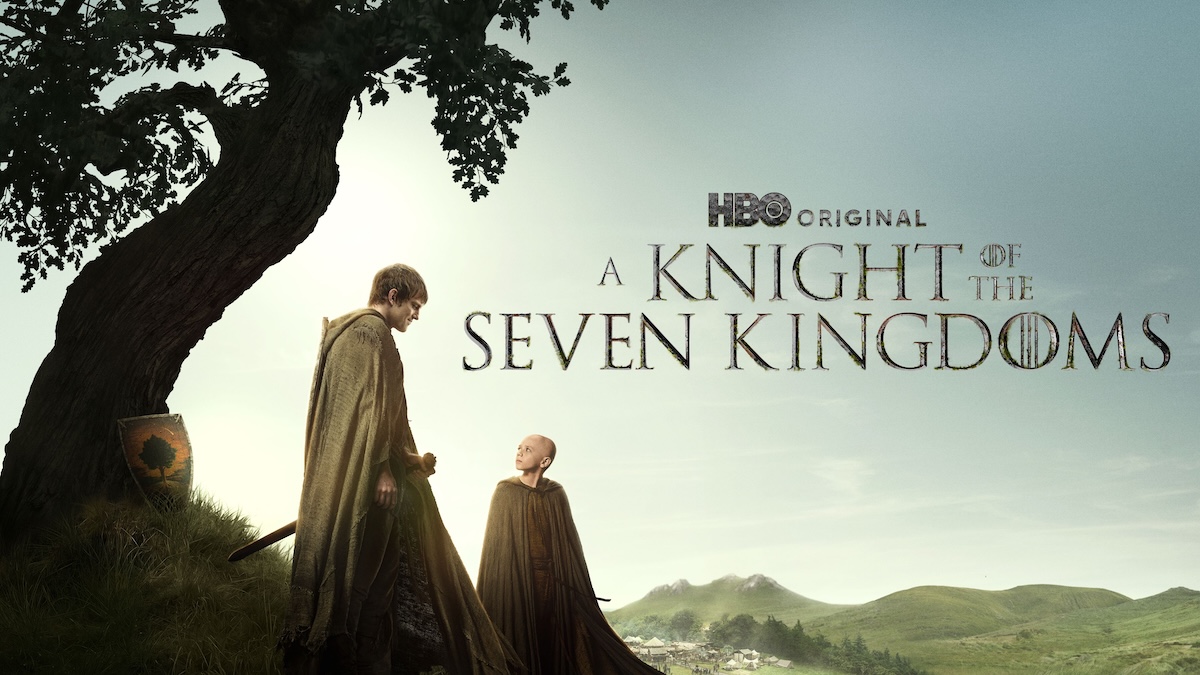
A Knight of the Seven Kingdoms, the latest adaptation spun from the fertile imagination of George R. R. Martin, arrives not with a roar of dragons, but with the quiet confidence of a story that knows exactly what it is. Where House of the Dragon seemed guided by the mantra “everything you loved, only more,” this new chapter dares to distinguish itself through restraint. Less spectacle. Fewer scheming houses. A single, sharply drawn corner of Westeros instead of a sprawling political atlas. Even the dragon, should one appear, feels modest less an inferno of CGI excess than a knowing wink in a world once defined by fire and blood.
And yet, in that deliberate narrowing of scope lies its triumph.
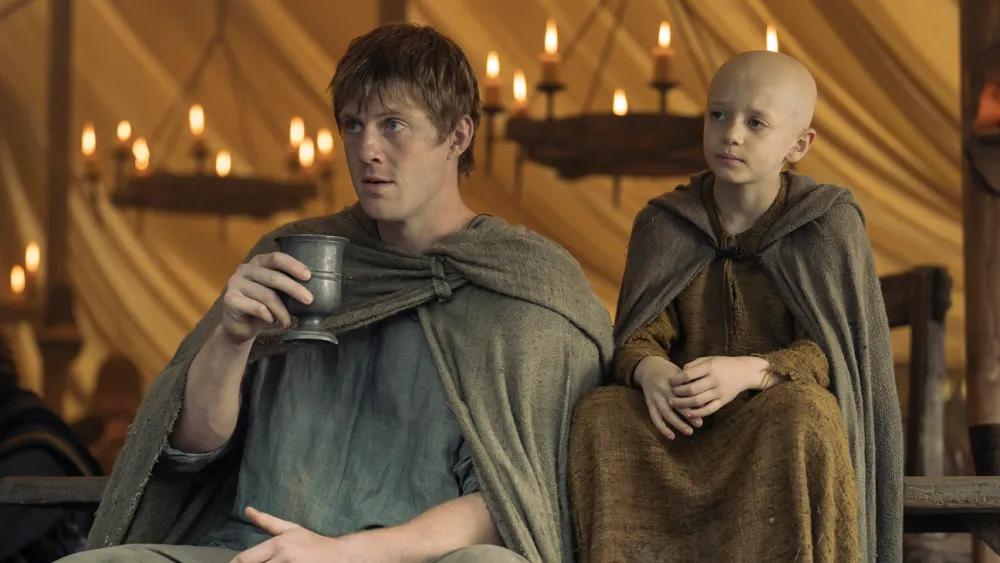
The result is something once thought impossible within this franchise: a smaller, smarter, funnier, and unexpectedly tender window into Martin’s famously maximalist realm. This isn’t a corrective for those who despised Game of Thrones. Rather, it’s a revelation for anyone who ever wondered what Westeros might look like filtered through the sensibilities of Richard Linklater—intimate, humane, and gently philosophical. Structured as a tightly contained six-episode arc, with installments that rarely stretch beyond 40 minutes, the series unfolds like a novella brought to life: lean, character-driven, and refreshingly unburdened by the need to be an epic.
Adapted by Martin alongside Ira Parker, the story is, at heart, a two-hander. Peter Claffey embodies Duncan Dunk” former squire to the honorable yet uncelebrated hedge knight Ser Arlan, played with weathered dignity by Danny Webb. When the tale begins, Dunk is burying the only father he has ever known. What remains of his inheritance is heartbreakingly sparse: three horses, a battered shield, a broadsword and a fragile claim. On his deathbed, Ser Arlan knighted him. Or so Dunk insists.
That fragile assertion of identity becomes the fulcrum of the drama.
Adrift and uncertain, Dunk seizes upon the promise of a tournament a rare arena where a man of low birth but towering physical presence might grasp not just coin, but recognition. Wealth would be welcome. Legitimacy would be transformative. For a young knight of questionable pedigree and undeniable size, the lists offer something Westeros seldom grants men like him: visibility.
In trading bombast for nuance, and spectacle for sincerity, A Knight of the Seven Kingdoms doesn’t shrink the world of Westeros it deepens it. It proves that even in a realm built on iron thrones and dragonfire, the most compelling battles are often the quietest ones: the fight to belong, to be seen, and to become the person you claim to be.