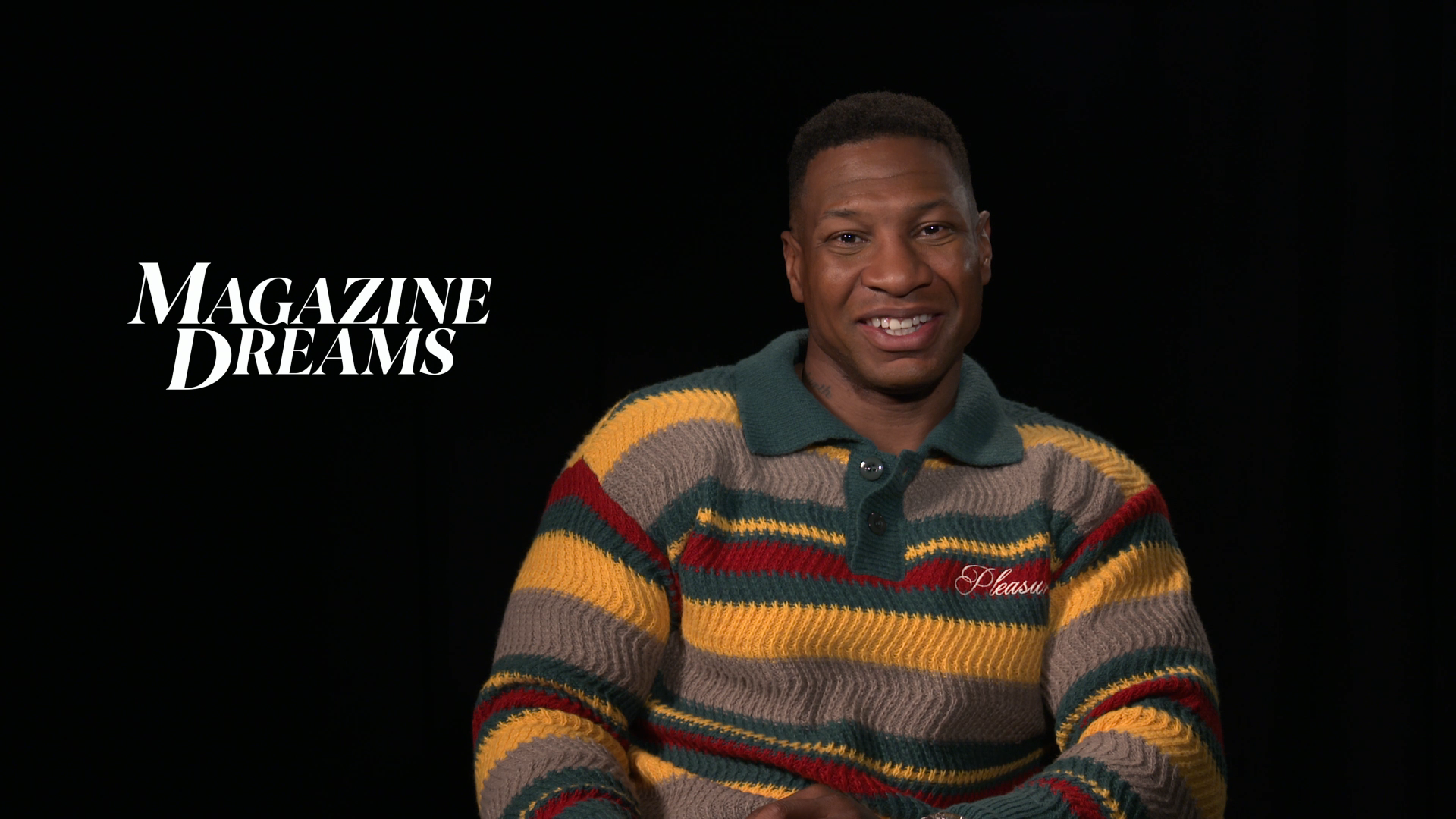
When Marvel and Disney let Jonathan Majors go due to his personal troubles, it didn’t just shake up blockbuster release calendars it also cast a long shadow over smaller, riskier projects that were banking on his undeniable talent. One of the biggest casualties of that fallout was Magazine Dreams, a film that deserved to be discussed on its own artistic merits rather than overshadowed by off-screen controversy. Unfortunately, the drama never received the exposure or theatrical push it likely would have under different circumstances.
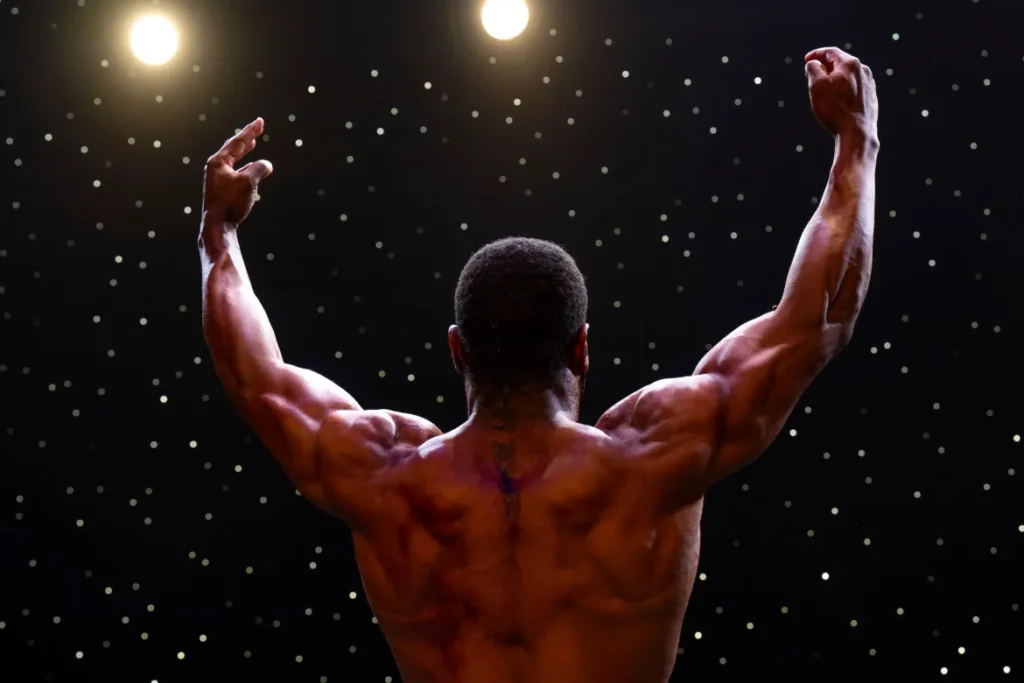
Directed and written by Elijah Bynum, Magazine Dreams centers on aspiring bodybuilder Killian Maddox, played with intense physical commitment by Jonathan Majors. From its opening moments, the film makes it clear that this is a character study rooted in obsession. Killian is introduced not through dialogue, but through image: bathed in warm, almost celestial lighting, posing under classical music as the camera lingers on every sculpted muscle. Cinematographer Adam Arkapaw frames him less as a man and more as a monument a living statue striving for perfection in a world that barely notices him.
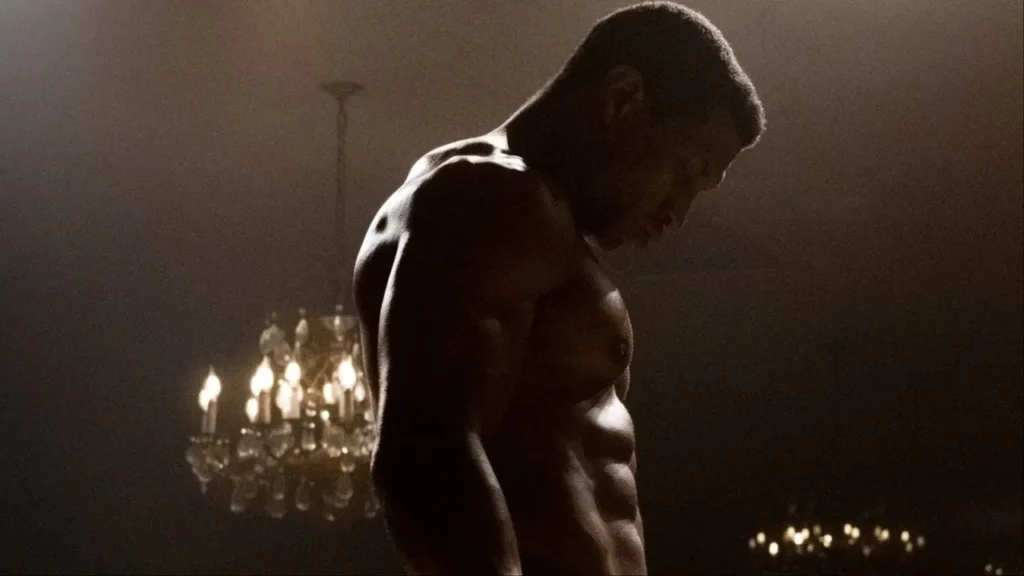
The film’s strongest quality is its unflinching look at male body image and the silent pressures men face in chasing physical ideals. American cinema has rarely explored this subject with such seriousness. Killian’s relentless training, rigid diet, and emotional isolation reveal a man trying to build armor out of muscle protection against rejection, loneliness, and humiliation. In that regard, the film feels spiritually aligned with obsession-driven dramas like Whiplash and The Wrestler, where ambition corrodes the very soul it seeks to elevate.
Where Magazine Dreams slightly falters is in its restraint. The narrative flirts with truly unsettling psychological territory but ultimately pulls back just enough to keep things grounded in a more conventional character arc. It builds tension effectively, showing how repeated disappointments and social alienation weigh on Killian’s fragile sense of self, yet it stops short of fully embracing the raw chaos it hints at. That said, this measured approach may also make the film more accessible than it otherwise would have been.
Despite its limited exposure, Magazine Dreams stands as a compelling and visually striking drama. Majors delivers a physically transformative performance that demands attention, capturing both brute strength and aching vulnerability. While not flawless, the film succeeds as a sobering meditation on obsession, masculinity, and the cost of chasing validation in a world obsessed with image.
In the end, it’s a film that deserved a louder conversation one about artistry, ambition, and the fragile line between dedication and self-destruction rather than being quietly sidelined by circumstances beyond the screen.